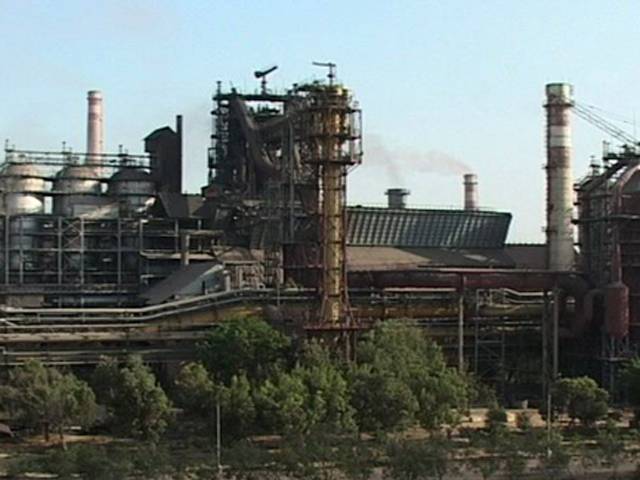
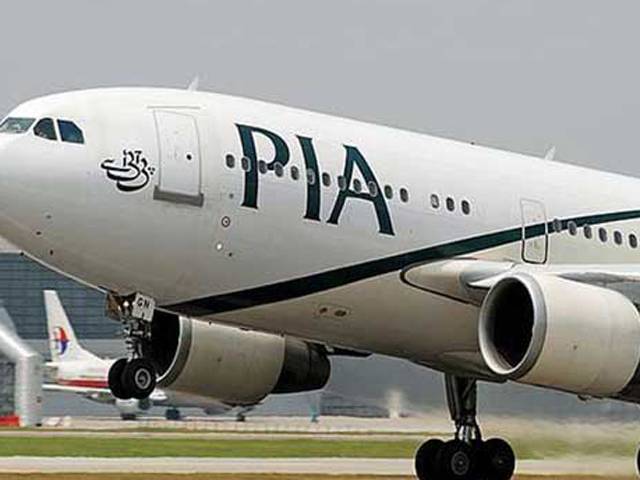
پی آئی اے،پاکستان سٹیل اور ریلوے کا خسارہ705ارب روپے، آئی ایم ایف نے ہوشربا اعدادو شمار جاری کردیئے
اسلام آباد(مانیٹرنگ ڈیسک)انٹرنیشنل مانیٹرنگ فنڈ(آئی ایم ایف ) نے پاکتان سے ساختیاتی اصلاحات پروگرام کا سوکور کارڈ جاری کردیا جس میں انکشاف کیا گیا ہے کہ ملک کے تین اہم ترین اداروں پی آئی اے، پاکستان سٹیل اور ریلوے کا خسارہ 705 ارب روپے تک پہنچ گیا ہے۔گزشتہ تین برسوں کے دوران گیس کے شعبے میں بھی خسارے کے حجم میں 11.5 فیصد اضافہ ہوا ہے اورقدرتی گیس سسٹم کو ہونے والے سالانہ نقصان کا تخمینہ 6 ارب روپے لگایا گیا ہے تاہم اس عرصے کے دوران گیس کی قیمتوں میں 20 فیصد تک اضافہ ہوا۔
پاور سیکٹر کی کئی کمپنیوں کے اکاؤنٹس بھی 660 ارب روپے کے قرضوں سے بھرے ہوئے ہیں جن میں سے 348 ارب روپے کے قرض گزشتہ تین برسوں میں لیے گئے حالانکہ اس دوران کنزیومر ٹیرف میں بھی مسلسل اضافہ ہوتا رہا ہے،اگر مذکورہ سرکاری اداروں اور پاور کمپنیوں کے خساروںکو یکجاکیا جائے تو اس کا حجم 1.365 کھرب روپے بنتا ہے جو کہ ملک کے موجودہ سالانہ ترقیاتی پروگرام 1.25 کھرب روپے سے بھی زیادہ ہے۔پاکستان میں آئی ایم ایف کا ساختیاتی اصلاحات پروگرام تین سالہ توسیعی سہولت فنڈ کے تحت شروع کیا گیا تھا جو تیس ستمبر کو ختم ہوچکا ہے۔
رپورٹ کے مطابق 13-2012 میں مذکورہ تینوں سرکاری اداروں کے مجموعی خسارے کا حجم مجموعی قومی پیداوار کا 1.7 فیصد تھا جو 16-2015 میں بڑھ کر جی ڈی پی کا 2.3 فیصد ہوگیا جبکہ جی ڈی پی کا حجم بھی اب کافی بڑھ چکا ہے۔آئی ایم ایف کے مطابق انفرااسٹرکچر ڈویلپمنٹ سرچارج لگاکر کنزیومر گیس ٹیرف 540 روپے فی یونٹ سے بڑھا کر 647 روپے کردیا گیا جبکہ پاور سیکٹر کے واجب الادا رقم کا حجم بھی جی ڈی پی کے 2.2 سے 2.3 فیصد تک ہے۔
پاور سیکٹر کے بقایا جات کا بڑا حصہ جون اور اگست 2013 میں ادا کردیا گیا تھا لیکن واجب الادا رقم کا حجم دوبارہ بڑھ گیا تاہم اس کی رفتار کم ہوگئی ہے۔کہ پاور سیکٹر کا ترسیلی خسارہ کم ہوکر 17.9 فیصد رہ گیا جبکہ وصولیاں بھی 5 فیصد اضافے کے بعد 92.6 فیصد ہوگئی ہیں۔
٢٠١٢ اور ٢٠١٣ میں دو سالوں میں یہ ٩٠٠ ارب روپے تھا اب تین سالوں میں سات سو پانچ ارب روپے ہے یعنی یہ نقصانات بہت کم ہوۓ ہیں امید ہے اسکا حل صرف پرائیویٹائزیشن ہے جس پر پہلے نون لیگ سیاست کرتی رہی اب پیپلز پارٹی اور تحریک انصاف سیاست کر رہی ہے
٢٠١٢ اور ٢٠١٣ میں دو سالوں میں یہ ٩٠٠ ارب روپے تھا اب تین سالوں میں سات سو پانچ ارب روپے ہے یعنی یہ نقصانات بہت کم ہوۓ ہیں امید ہے اسکا حل صرف پرائیویٹائزیشن ہے جس پر پہلے نون لیگ سیاست کرتی رہی اب پیپلز پارٹی اور تحریک انصاف سیاست کر رہی ہے
٢٠١٢ اور ٢٠١٣ میں دو سالوں میں یہ ٩٠٠ ارب روپے تھا اب تین سالوں میں سات سو پانچ ارب روپے ہے یعنی یہ نقصانات بہت کم ہوۓ ہیں امید ہے اسکا حل صرف پرائیویٹائزیشن ہے جس پر پہلے نون لیگ سیاست کرتی رہی اب پیپلز پارٹی اور تحریک انصاف سیاست کر رہی ہے
حفیظ صاحب جھوٹ بول رہے ہیں سمجھتے ہیں کہ باقی بھی ان کی طرح اوپر اوپر سے پڑھ کر نکل جائیں گے وہ یہ جملہ گول کر گئے ہیں رپورٹ کے مطابق 13-2012 میں مذکورہ تینوں سرکاری اداروں کے مجموعی خسارے کا حجم مجموعی قومی پیداوار کا 1.7 فیصد تھا جو 16-2015 میں بڑھ کر جی ڈی پی کا 2.3 فیصد ہوگیا جبکہ جی ڈی پی کا حجم بھی اب کافی بڑھ چکا ہے
حفیظ صاحب جھوٹ بول رہے ہیں سمجھتے ہیں کہ باقی بھی ان کی طرح اوپر اوپر سے پڑھ کر نکل جائیں گے وہ یہ جملہ گول کر گئے ہیں رپورٹ کے مطابق 13-2012 میں مذکورہ تینوں سرکاری اداروں کے مجموعی خسارے کا حجم مجموعی قومی پیداوار کا 1.7 فیصد تھا جو 16-2015 میں بڑھ کر جی ڈی پی کا 2.3 فیصد ہوگیا جبکہ جی ڈی پی کا حجم بھی اب کافی بڑھ چکا ہے
حفیظ صاحب جھوٹ بول رہے ہیں سمجھتے ہیں کہ باقی بھی ان کی طرح اوپر اوپر سے پڑھ کر نکل جائیں گے وہ یہ جملہ گول کر گئے ہیں رپورٹ کے مطابق 13-2012 میں مذکورہ تینوں سرکاری اداروں کے مجموعی خسارے کا حجم مجموعی قومی پیداوار کا 1.7 فیصد تھا جو 16-2015 میں بڑھ کر جی ڈی پی کا 2.3 فیصد ہوگیا جبکہ جی ڈی پی کا حجم بھی اب کافی بڑھ چکا ہے
The government was determined to enhance the efficiency of public sector enterprises (PSEs) by restructuring their boards and appointing professional heads of these organizations, mostly from the private sector, in order to make the entities profitable institutions.
Dr. Abdul Hafeez Shaikh, Finance Minister of Pakistan
Pakistans loss-making public sector enterprises (PSEs), also known as state-owned enterprises, are a major cause of economic concern. This year, ccording to official estimates from the Ministry of Finance, eight major PSEs received more than US $3.5 billion in support from the federal government, which is higher than the federal component of Pakistans development budget. According to the Ministry of Finance, Inefficient public sector enterprises are draining fiscal resources and choking the economy.
A major reason that these companies lose so much money is a low level of transparency and poor governance; but historically, any discussion of the governance of Pakistans PSEs was taboo. Successive governments used these companies to provide jobs to their supporters. Moreover, non-transparent financial transactions continued to drain resources while reducing PSEs operational efficiencies.
Understanding the political sensitivity of the issue, CIPEs Pakistan team has taken a subtle approach to the reform of PSEs, with patient efforts aimed at generating a debate on the importance of a introducing a code of corporate governance for PSEs. These efforts began to yield results when, on CIPEs advice, the Ministry of Finance constituted a taskforce in October 2011, comprising a wide range of stakeholders, including relevant ministries with ownership of PSEs, private sector representatives, the Securities and Exchange Commission of Pakistan (SECP), the Pakistan Institute of Corporate Governance, and others. The taskforce became the driving force behind a productive debate. As a result of several meetings and a consultative process, on March 22, the SECP released new draft regulations for PSEs.
Recognizing Pakistans unique regulatory framework, under which ministries are the owners of relevant PSEs, existing codes of corporate governance were not sufficiently relevant to these firms to ensure local buy-in. Instead, CIPE advised the taskforce to develop a homegrown solution that would still be based on international best practices. After careful consideration and study of international models, a technical committee appointed by the taskforce prepared the draft regulations to correspond to the complex reality of public sector enterprises in Pakistan.
The draft regulations have been designed in view of the distinct governance challenges faced by the PSEs. Recommendations made in the draft regulations include measures to optimize efficiency, enhance the transparency of operations, and provide a mechanism for accountability of management.
Securities and Exchange Commission of Pakistan
The draft regulations are now available on the SECPs website for review and comment.
In order to generate further public debate, and to build awareness about corporate governance of state-owned enterpises, CIPE also assisted the taskforce in organizing Pakistans first major roundtable on governance of PSEs, on April 10 in Islamabad. This event received an overwhelming response, with over 125 participants from various PSEs attending. Moreover, a subject which, as mentioned, was previously considered taboo in Pakistan, received extensive media coverage.
آپ اس جملے کو بار بار اور غور سے پڑھیں یہ اسی موجودہ رپورٹ کا حصہ ہے صاف لکھا ہے کہ خسارہ بڑھ گیا ہے
رپورٹ کے مطابق 13-2012 میں مذکورہ تینوں سرکاری اداروں کے مجموعی خسارے کا حجم مجموعی قومی پیداوار کا 1.7 فیصد تھا جو 16-2015 میں بڑھ کر جی ڈی پی کا 2.3 فیصد ہوگیا جبکہ جی ڈی پی کا حجم بھی اب کافی بڑھ چکا ہے
سبسڈی کیوں دی جاتی ہے ؟؟ نقصانات کو کم کرنے کے لئے، جیسے اگر پاکستان سٹیل ٢٠٠ ارب کے نقصان میں ہے تو اسکے ملازمین کو تنخواہیں دینے، مشینری کی مرمت اور خام مال خریدنے کے لئے سبسڈی دینی پڑتی ہے اسکا حل یہی ہے کہ پاکستان سٹیل کو اسکے ملازمین کو بیچ دیا جائے اور ریلوے و پی آئ اے میں بہتری کی گنجائش ہے انھیں بہتر کیا جائے مگر ساتھ ہی ساتھ انکے لئے پرائیویٹ پارٹنر بھی ملائے جائیں
The IMF said the cost of electricity delivered to consumers was increased by about 35pc to Rs11.9 per unit by increasing the base tariff and introducing a series of surcharges. یعنی نقصان کی رفتار کو روکنے کا بوجھ سیدھا عوام پر ڈالا گیا ہے
کیوں کہ جو شخص آنکھوں دیکھی مکھی کھا لے وہ یہ کام ضمیر کے کہنے پر نہیں کر سکتا جس طرح میاں خاندان کے بیانات سامنے آئے ہیں اسکے بعد بھی جو انکی حمایت کرتا ہے وہ بکاؤ اور خود غرض ہی ہو سکتا ہے
ISLAMABAD: The losses incurred by three major public sector entities (PSEs) — the Pakistan International Airlines, Pakistan Railways and Pakistan Steel Mills — have surged to about Rs705 billion in three years despite continuous injection of funds into the organisations.
This is in addition to around Rs660bn debt piled up in the accounts of power sector companies, of which Rs348bn has been accumulated in three years, even though consumer tariffs have repeatedly been increased.
The revival of the loss-making PSEs was one of the central themes of a three-year economic reforms programme.
Put together, the cumulative losses incurred by the three PSEs and the power sector companies have increased to Rs1.365 trillion, which is more than the country’s consolidated annual development programme of Rs1.25 trillion for the current year.
This has been revealed by the International Monetary Fund (IMF) in its ‘scorecard’ of Pakistan’s structural reforms programme launched under its three-year Extended Fund Facility, which concluded on September 30.
The IMF also put on record that the losses incurred by the country’s natural gas sector increased to 11.5 per cent in three years, showing an increase of 1.4pc since the government joined the IMF programme in September 2013. In monetary terms, the annual loss of the natural gas system increased by about Rs6bn. The gas tariff was increased by 20pc during the period.
The IMF said the government promised to increase the tariff again in the current month.
The IMF said the cost of electricity delivered to consumers was increased by about 35pc to Rs11.9 per unit by increasing the base tariff and introducing a series of surcharges.
It said the total losses of the three PSEs stood at 1.7pc of GDP in 2012-13, but surged to 2.3pc of GDP at the end of fiscal year 2015-16. The GDP size has now increased considerably.
The IMF said that on the positive side the pace of accumulation of annual losses of PIA, PSM and PR declined in three years to 0.2pc of GDP or Rs61bn per year against Rs95bn or 0.4pc of GDP.
It said the consumer gas tariff was increased to Rs647 per unit against Rs540 per unit through gas infrastructure development cess (GIDC). It said the power sector payable arrears also increased from 2.2pc to 2.3pc of GDP.
This included Rs335bn arrears transferred to the Power Holding Company Limited. Excluding this, arrears at end of June this year were at 1.2pc of GDP (Rs321bn).
A major part of the power sector arrears were cleared in June and August 2013, the IMF said. “While arrears have re-accumulated, the pace of accumulation has been substantially reduced,” it said.
The IMF said that distribution losses in the power sector declined to 17.9pc from 18.9pc while the collection increased by almost 5pc to 92.6pc.
Also, the power sector subsidies dropped to 0.6pc of GDP from 2pc of GDP and outages for industrial sector dropped from nine hours to one hour per day.
Electricity outages for urban consumers dropped to five hours per day from eight hours in 2013.
Based on these outcomes, the IMF has stressed that restructuring and attracting private sector participation in ailing PSEs would be key to restoring their financial viability to reduce fiscal costs.
While planned privatisation transactions were scaled back early this year owing to political opposition and widespread strikes, the authorities reiterated their commitment to attracting private sector participation in the PSEs while continuing efforts to contain their losses.
The IMF noted that the relevant legislation required the government to keep majority shares and management control of PIA, but the government committed to attract private sector participation in the company and finalise the transaction structure for a minority sale by the end of the year.
In parallel, measures to reduce PIA’s financial and operating costs would continue to be implemented.
Secondly, following inconclusive discussions with a provincial government over transfer of PSM ownership, the government has resumed the privatisation process for the company and aims to conclude the bidding process by June 2017. The authorities will also continue to implement measures to limit PSM’s financial losses.
The IMF praised improvement in the Pakistan Railways’ revenue performance and the government’s commitment to move forward with its restructuring plan.
The IMF said the cost of electricity delivered to consumers was increased by about 35pc to Rs11.9 per unit by increasing the base tariff and introducing a series of surcharges. یعنی نقصان کی رفتار کو روکنے کا بوجھ سیدھا عوام پر ڈالا گیا ہے
دونوں صورتوں میں چھری خربوزے (عوام) کو ہی کاٹتی ہے ، لیکن اچھی بات یہ ہے کہ موجودہ حکومت جلد اور سستے ذرائع سے پیدا ہونے والی بجلی بنانے کے منصوبے بنا رہی ہے جس سے یہ شکایت بھی ختم ہو جائے گی لانگ ٹرم میں بھاشا ، داسو اور تربیلا ایکسٹنشن کے علاوہ دیگر پراجیکٹس پر بھی کام ہو رہا ہے
کیوں کہ جو شخص آنکھوں دیکھی مکھی کھا لے وہ یہ کام ضمیر کے کہنے پر نہیں کر سکتا جس طرح میاں خاندان کے بیانات سامنے آئے ہیں اسکے بعد بھی جو انکی حمایت کرتا ہے وہ بکاؤ اور خود غرض ہی ہو سکتا ہے