
Night_Hawk
Siasat.pk - Blogger
- Joined
- Aug 14, 2010
- Posts
- 14,740
- Reaction score
- 5,648
- Points
- 113
پوتڑوں میں استعمال ہونے والا کیمیکل؛ خشک سالی کے خلاف اہم ہتھیاربن گیا
عبدالریحان منگل 20 ستمبر 2016

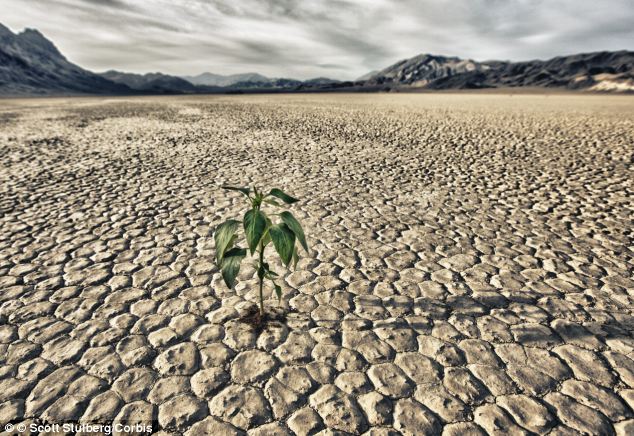
امید کی جاسکتی ہے کہ بہت جلد اس کا استعمال خشک سالی سے متاثرہ دیگر
ممالک میں بھی ہونے لگے گا۔ : فوٹو : فائل
1970ء میں امریکی محکمہ زراعت نے نشاستے (کاربوہائڈریٹ) کی ایک قسم سے نمی جذب کرنے والا کیمیائی مرکب تیار کیا تھا جو پوٹاشیم پولی ایکریلیٹ (potassium polyacrylate)کہلاتا ہے۔ سفوف کی شکل میں یہ انتہائی جاذب کیمیائی مرکب تیار تو کسی اور مقاصد کے لیے کیا گیا تھا مگر اپنی صلاحیت کی بنا پر اسے بچوں کے جدید پوتڑوں (ڈائپرز) میں استعمال کیا جانے لگا۔
آج دنیا بھر میں معیاری پوتڑوں کی تیاری میں یہی مرکب استعمال ہوتا ہے۔ مگر اب میکسیکو میں یہ کیمیائی مرکب خشک سالی کے خلاف اہم ہتھیار کے طور پر استعمال کیا جارہا ہے۔
میکسیکن انجینئر سرجیو ریکو ولاسکو نے پوٹاشیم پولی ایکریلیٹ کی نمی جذب کرنے کی صلاحیت کے پیش نظر یہ اندازہ کرلیا تھا کہ خشک سالی کا مقابلہ کرنے میں یہ اہم ہتھیار ثابت ہوسکتا ہے۔ یہ کوئی دس برس پہلے کی بات ہے جب میکسیکو کے بیشتر زرعی پیداوار کے علاقے قلت آب سے شدید متاثر تھے۔ سرجیو ان دنوں قلت آب سے نمٹنے کے لیے اقدامات وضع کرنے کے منصوبے پر کام کر رہا تھا۔ اسے ڈائپرز میں استعمال ہونے والے سفوفی مرکب کی شکل میں خشک سالی کا توڑ نظر آگیا۔
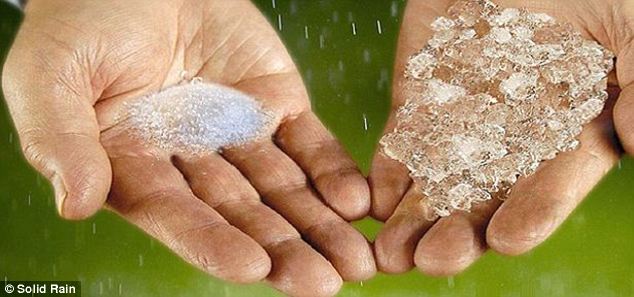
اس نے کیمیائی مرکب پر تحقیق کا آغاز کیا، اس کی تجاذبی صلاحیت کو مزید بہتر بنانے کے بعد اسے ایک مصنوعہ کی شکل دی اور اسے سولڈ رین (Solid Rain)کے نام سے رجسٹرڈ کروالیا۔ بعدازاں سرجیو نے ایک کمپنی قائم کی اور کاشت کاروں کو سولڈ رین کی فروخت شروع کردی۔
قلت آب سے نمٹنے کے لیے ضروری ہے کہ پانی اس طرح ذخیرہ کیا جائے کہ وہ ضائع نہ ہو۔ اس مرکب کی تجاذبی صلاحیت کا اندازہ اس بات سے لگایا جاسکتا ہے کہ 10 گرام سولڈرین ایک لیٹر پانی جذب کرسکتا ہے۔ پانی جذب کرنے کے بعد یہ سفوف جیلی نما مادے کی شکل اختیار کرلیتا ہے جس میں سے پانی نہ تو ازخود خارج ہوتا ہے اور نہ ہی بخارات بن کر اڑتا ہے۔سولڈرین کو کھیتوں میں کیمائی کھاد کی طرح چھڑکنے کے بعد پانی چھوڑ دیا جاتا ہے۔
شدید قلت آب سے دوچار علاقوں میں کھیتوں میں سولڈرین کا چھڑکاؤ کرنے کے بعد کنستروں اور برتنوں وغیرہ سے بھی پانی چھڑکا جاتا ہے۔ علاوہ ازیں سفوف کے جیلی بن جانے کے بعد اسے چھوٹے چھوٹے ٹکڑوں کی صورت میں زمین میں دبا دیا جاتا ہے۔ ہر ٹکڑا زیر زمین ذخیرہ آب کا کام کرتا ہے جس سے پودوں کی جڑیں پانی حاصل کرتی ہیں۔ میکسیکن انجنیئر کے مطابق سولڈرین کم ازکم 8 سے 10 برس تک پانی ذخیرہ رکھ سکتا ہے۔
سولڈرین کی وجہ سے فصل کو مطلوبہ مقدار میں پانی ملتا رہتا ہے چناں چہ پیداوار بھی زیادہ ہوتی ہے۔ میکسیکن حکومت نے خشک سالی سے دوچار ریاست،ہڈالگو( Hidalgo )میں ایک سالہ تحقیق کے دوران پیداوار پر سولڈرین کے اثرات کا جائزہ لیا ۔ تحقیق کے نتائج میں یہ بات سامنے آئی کہ جن کھیتوں میں اس مرکب کا استعمال کیا گیا ، ان میں عام کھیتوں کے مقابلے میں 300 فی صد زائد پیداوار ہوئی۔
آج سولڈرین میکسیکو میں قلت آب کا شکار علاقوں میں خشک سالی کے اثرات زائل کرنے میں کلیدی کردار ادا کر رہا ہے۔ سوال یہ پیدا ہوتا ہے کہ دنیا کے دیگر حصوں میں، جو خشک سالی کی لپیٹ میں ہیں، اس جادوئی مرکب کا استعمال کیوں نہیں کیا جاتا؟ دراصل سولڈرین کی شہرت صرف میکسیکو تک محدود رہی ہے۔
چوںکہ یہ ایک نجی کمپنی کی مصنوعہ ہے، اسی لیے اس کی تشہیر کے سلسلے میں حکومتی سطح پر کچھ نہیں کیا گیا۔ خود سرجیو نے بھی اپنی پروڈکٹ کی بازار کاری پر کوئی خاص توجہ نہیں دی۔ تاہم اب سوشل میڈیا پر اس کا چرچا ہو رہا ہے۔ امید کی جاسکتی ہے کہ بہت جلد اس کا استعمال خشک سالی سے متاثرہ دیگر ممالک میں بھی ہونے لگے گا۔
Source
عبدالریحان منگل 20 ستمبر 2016
امید کی جاسکتی ہے کہ بہت جلد اس کا استعمال خشک سالی سے متاثرہ دیگر
ممالک میں بھی ہونے لگے گا۔ : فوٹو : فائل
1970ء میں امریکی محکمہ زراعت نے نشاستے (کاربوہائڈریٹ) کی ایک قسم سے نمی جذب کرنے والا کیمیائی مرکب تیار کیا تھا جو پوٹاشیم پولی ایکریلیٹ (potassium polyacrylate)کہلاتا ہے۔ سفوف کی شکل میں یہ انتہائی جاذب کیمیائی مرکب تیار تو کسی اور مقاصد کے لیے کیا گیا تھا مگر اپنی صلاحیت کی بنا پر اسے بچوں کے جدید پوتڑوں (ڈائپرز) میں استعمال کیا جانے لگا۔
آج دنیا بھر میں معیاری پوتڑوں کی تیاری میں یہی مرکب استعمال ہوتا ہے۔ مگر اب میکسیکو میں یہ کیمیائی مرکب خشک سالی کے خلاف اہم ہتھیار کے طور پر استعمال کیا جارہا ہے۔
میکسیکن انجینئر سرجیو ریکو ولاسکو نے پوٹاشیم پولی ایکریلیٹ کی نمی جذب کرنے کی صلاحیت کے پیش نظر یہ اندازہ کرلیا تھا کہ خشک سالی کا مقابلہ کرنے میں یہ اہم ہتھیار ثابت ہوسکتا ہے۔ یہ کوئی دس برس پہلے کی بات ہے جب میکسیکو کے بیشتر زرعی پیداوار کے علاقے قلت آب سے شدید متاثر تھے۔ سرجیو ان دنوں قلت آب سے نمٹنے کے لیے اقدامات وضع کرنے کے منصوبے پر کام کر رہا تھا۔ اسے ڈائپرز میں استعمال ہونے والے سفوفی مرکب کی شکل میں خشک سالی کا توڑ نظر آگیا۔
اس نے کیمیائی مرکب پر تحقیق کا آغاز کیا، اس کی تجاذبی صلاحیت کو مزید بہتر بنانے کے بعد اسے ایک مصنوعہ کی شکل دی اور اسے سولڈ رین (Solid Rain)کے نام سے رجسٹرڈ کروالیا۔ بعدازاں سرجیو نے ایک کمپنی قائم کی اور کاشت کاروں کو سولڈ رین کی فروخت شروع کردی۔
قلت آب سے نمٹنے کے لیے ضروری ہے کہ پانی اس طرح ذخیرہ کیا جائے کہ وہ ضائع نہ ہو۔ اس مرکب کی تجاذبی صلاحیت کا اندازہ اس بات سے لگایا جاسکتا ہے کہ 10 گرام سولڈرین ایک لیٹر پانی جذب کرسکتا ہے۔ پانی جذب کرنے کے بعد یہ سفوف جیلی نما مادے کی شکل اختیار کرلیتا ہے جس میں سے پانی نہ تو ازخود خارج ہوتا ہے اور نہ ہی بخارات بن کر اڑتا ہے۔سولڈرین کو کھیتوں میں کیمائی کھاد کی طرح چھڑکنے کے بعد پانی چھوڑ دیا جاتا ہے۔
شدید قلت آب سے دوچار علاقوں میں کھیتوں میں سولڈرین کا چھڑکاؤ کرنے کے بعد کنستروں اور برتنوں وغیرہ سے بھی پانی چھڑکا جاتا ہے۔ علاوہ ازیں سفوف کے جیلی بن جانے کے بعد اسے چھوٹے چھوٹے ٹکڑوں کی صورت میں زمین میں دبا دیا جاتا ہے۔ ہر ٹکڑا زیر زمین ذخیرہ آب کا کام کرتا ہے جس سے پودوں کی جڑیں پانی حاصل کرتی ہیں۔ میکسیکن انجنیئر کے مطابق سولڈرین کم ازکم 8 سے 10 برس تک پانی ذخیرہ رکھ سکتا ہے۔
سولڈرین کی وجہ سے فصل کو مطلوبہ مقدار میں پانی ملتا رہتا ہے چناں چہ پیداوار بھی زیادہ ہوتی ہے۔ میکسیکن حکومت نے خشک سالی سے دوچار ریاست،ہڈالگو( Hidalgo )میں ایک سالہ تحقیق کے دوران پیداوار پر سولڈرین کے اثرات کا جائزہ لیا ۔ تحقیق کے نتائج میں یہ بات سامنے آئی کہ جن کھیتوں میں اس مرکب کا استعمال کیا گیا ، ان میں عام کھیتوں کے مقابلے میں 300 فی صد زائد پیداوار ہوئی۔
آج سولڈرین میکسیکو میں قلت آب کا شکار علاقوں میں خشک سالی کے اثرات زائل کرنے میں کلیدی کردار ادا کر رہا ہے۔ سوال یہ پیدا ہوتا ہے کہ دنیا کے دیگر حصوں میں، جو خشک سالی کی لپیٹ میں ہیں، اس جادوئی مرکب کا استعمال کیوں نہیں کیا جاتا؟ دراصل سولڈرین کی شہرت صرف میکسیکو تک محدود رہی ہے۔
چوںکہ یہ ایک نجی کمپنی کی مصنوعہ ہے، اسی لیے اس کی تشہیر کے سلسلے میں حکومتی سطح پر کچھ نہیں کیا گیا۔ خود سرجیو نے بھی اپنی پروڈکٹ کی بازار کاری پر کوئی خاص توجہ نہیں دی۔ تاہم اب سوشل میڈیا پر اس کا چرچا ہو رہا ہے۔ امید کی جاسکتی ہے کہ بہت جلد اس کا استعمال خشک سالی سے متاثرہ دیگر ممالک میں بھی ہونے لگے گا۔
Source
Last edited by a moderator: